Dussehra 2026: date, Vijay muhurat and what to do at home today
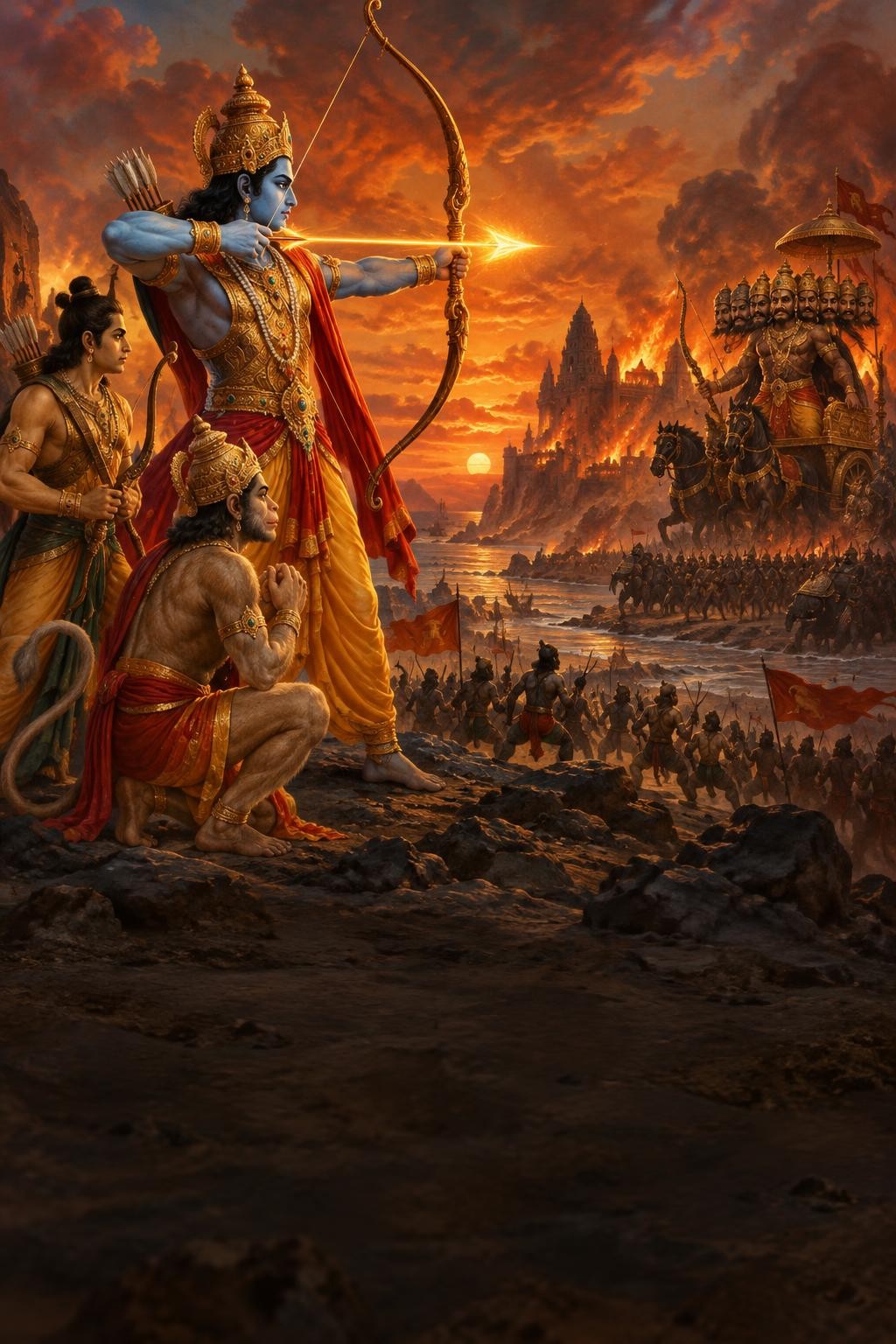
Dussehra 2026: date, Vijay muhurat and what to do at home today
The short answer
Dussehra (Vijayadashami) 2026 is on Tuesday, 20 October. The Dashami tithi begins at about 12:50 PM IST on 20 October and runs until about 2:11 PM IST on 21 October, so most families across India celebrate on the 20th. Some regional calendars that follow the sunrise tithi mark the day on 21 October instead, both are correct, so follow your family's or local temple's panchang. The Vijay muhurat, the most auspicious window of the day, is roughly 2:00 PM to 2:46 PM IST for Delhi, shifting by a few minutes in other cities. Three things that actually matter today: do your shami or aparajita puja in that afternoon window, sprinkle the Navratri kalash water through the house, and in the evening watch or participate in Ravan dahan if you can.
Step by step
- Wake up and clean the house. Sweep and mop before sunrise if you can. Navratri ended yesterday with Navami; today is the day of victory, and the house should be fresh for the morning puja.
- Gather your tools, books, and instruments. Wipe them clean, your laptop, your kitchen knives, your child's school bag, your vehicle keys. Place them together on a clean cloth and offer a flower or a pinch of kumkum. This is shastra and ayudha puja. If you have nothing to lay out, your hands that do your daily work are enough.
- Offer morning prayers at your home altar. Light a diya and incense. If you kept a Navratri kalash, this is the morning you honour it for the last time before the afternoon ritual.
- Around 1:00 PM, prepare for the afternoon puja. The aparahna (afternoon) window is about 1:14 PM to 3:32 PM IST. Aim to begin by 1:45 PM so you are ready when the Vijay muhurat opens at 2:00 PM.
- At 2:00 PM, do the aparajita and shami puja. If you have a shami plant or even a single shami leaf, hold it and recite the prayer: Shami shamayate papam, shami shatru-vinashini. Arjunasya dhanur-dhari, Ramasya priya-darshini. If you have no shami, a tulsi leaf or a simple flower offered with the same words carries the intention.
- Sprinkle the kalash water through the house. Take the water from your Navratri kalash and walk through each room sprinkling a little. The jaware (barley shoots) can be placed at the altar, tucked behind an ear, or set in the hair of children as a blessing.
- Exchange shami or apta leaves with family. In Maharashtra and Karnataka this is done as an exchange of symbolic gold, from the story of Kautsa and King Raghu. Even a simple leaf passed with a smile and a greeting carries the tradition.
- If you are in north India, step outside briefly and look at the sky. Spotting a Neelkanth, the Indian roller bird, bright blue in flight, is considered auspicious today. You are not required to find one; just be open to it.
- In the evening, watch or join Ravan dahan. Ramlila ends tonight with the burning of effigies of Ravana, Kumbhakarna, and Meghnad. If there is no event near you, watch it as a family and talk about what it means.
What to offer
For the shami and aparajita puja, from your kitchen or garden:
- Fresh flowers, even marigolds or hibiscus
- Kumkum and haldi
- A few grains of raw rice
- A small piece of jaggery or a fruit
- Water in a clean cup
For the kalash farewell, things you likely already have:
- The water from the Navratri kalash
- The jaware (barley shoots) grown over the nine days
- A diya with ghee or oil
- Incense
If this is you
Doing this at home for the first time
Do not worry about getting every step right. The heart of the day is the afternoon puja between 2:00 and 2:46 PM, sit quietly, light a diya, hold a leaf or a flower, and say thank you for whatever has gone well this year. The tradition is large but your sincere five minutes inside that muhurat is completely valid.
A working person with half an hour today
You can do everything that matters in two short windows. In the morning, spend five minutes wiping your work tools or laptop and placing a flower on them. At lunch, step away from your desk at 2:00 PM, find a quiet spot, and recite the shami prayer once with a leaf or even just with folded hands. That is Vijayadashami observed.
A family with children who want to understand it
Tell them there are two victories today: Rama defeated the ten-headed Ravana, and Durga defeated the buffalo demon Mahishasura after nine nights of battle. Then ask them: Ravana's ten heads are also read as ten bad habits, can they name a few? Pride, anger, greed, ego. Let them place their school books in the puja and ask for good learning this year. In Kerala, today is Vidyarambham, when young children are formally introduced to letters for the first time.
Someone living abroad with no Ramlila nearby
You do not need a public event. Do the afternoon puja at home at whatever local time corresponds to your family's tradition, or simply at 2:00 PM IST if you are watching the day unfold back home. Light a diya, play the Ramcharitmanas or the Ram Raksha Stotra in the background, and video-call family during Ravan dahan in the evening. The connection is the point.
Why this day matters
Dussehra lands on the tenth day after nine nights of Navratri, and it carries two great victories at once. In the Valmiki Ramayana, Rama crosses the ocean, fights Lanka, and defeats Ravana on this day. The name Dussehra is read as dasha-hara, the removal of the ten-headed one. In the Devi Mahatmya of the Markandeya Purana, Durga fights Mahishasura for nine days and nights and defeats him on the tenth. Both stories are about the same thing: the moment when sustained effort, faith, and righteousness finally break through.
Ravana is not a simple villain in the tradition. He was a great scholar, a devoted worshipper of Shiva, and is credited with the Shiva Tandava Stotram. His ten heads are read two ways: as his mastery of the four Vedas and six shastras, and as a moral map of ten failings, lust, anger, greed, delusion, pride, envy, selfishness, injustice, cruelty, and ego. He had extraordinary gifts. His fall came from one desire he would not release. That is the teaching the burning effigy carries.
The Pandavas add a third layer. They hid their weapons in a shami tree for the final year of their exile and took them down on Vijayadashami to face the Kaurava army that had raided King Virata's cattle (Virata Parva, Mahabharata). The shami leaf exchanged today is a reminder that the right moment to act, after patience and preparation, is also a victory.
This day is also one of the sade teen muhurat, the three-and-a-half most auspicious moments in the Hindu calendar. Starting a new business, making an important purchase, beginning a child's education, or taking on any new work today needs no separate auspicious time. The day itself is the muhurat.
Common questions
Can I celebrate Dussehra if I did not keep the Navratri fast? Yes. Dussehra is observed by everyone, not only those who fasted. The afternoon puja, the shami ritual, and the evening Ravan dahan are open to all. Fasting during Navratri and celebrating Vijayadashami are related but separate practices.
Is 20 October or 21 October the correct date in 2026? Both are kept in good faith. The Dashami tithi begins at about 12:50 PM on 20 October and ends at about 2:11 PM on 21 October. Most calendars celebrate on 20 October because the Vijay muhurat falls clearly within that day. Some regional calendars that count by the sunrise tithi observe it on 21 October. Check your family's panchang or your local temple.
What if I cannot get shami leaves? Shami is traditional but practice varies by region. Tulsi, a flower from your garden, or even a clean leaf offered with the correct intention is accepted in many households. The prayer and the sincerity matter more than the specific plant.
Can children participate in the puja? Absolutely, and it is encouraged. Placing their books and school bags in the puja is a natural way to involve them. In Kerala and parts of south India, Vidyarambham, a child's formal introduction to learning, is performed on this very day, making it one of the most child-centred moments in the Hindu calendar.
Carrying something heavier?
Ask Krishna about your own situation — no judgment, just a real conversation. It's free to start.
Talk to Krishna →